Expert Locksmith: The Right Time to Reach Out to Specialists for Your Security Concerns
A qualified security expert plays an essential role in maintaining protection. Numerous homeowners fail to notice the indicators that point to a need for professional help. Issues like a malfunctioning lock or the result of a forced entry can compromise your wellbeing. Understanding when to seek help is of great importance. As potential dangers advance, so do the remedies. What factors should be evaluated before contacting a professional?
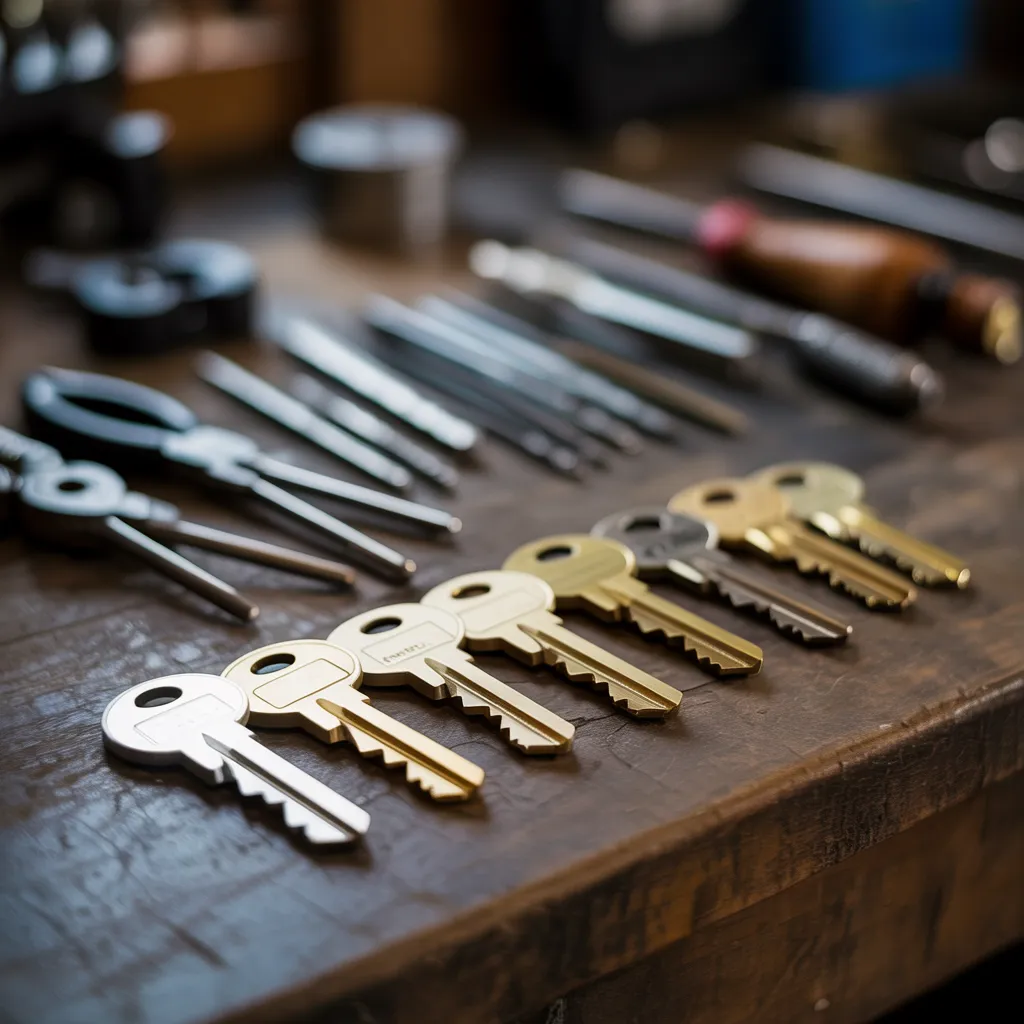
Understanding the Warning Signs: When You Require a Locksmith
When is it appropriate to reach out to a locksmith? Someone might need to reach out to a locksmith when they experience problems with their locks or security systems. Signs such as a key that breaks off in the lock or a lock that becomes difficult to turn are clear indicators of potential problems. Moreover, when a person is repeatedly faced with lockout situations, it may be time to seek the services of a professional locksmith.
Moreover, when relocating to a new property, it is wise to contact a professional locksmith to update the locks to ensure safety. Security upgrades, such as incorporating sophisticated locks or alarm devices, also warrant expert input. Lastly, if a homeowner notices signs of forced entry or tampering, urgent action should be pursued by engaging a locksmith to review and improve safety measures. Acknowledging these warning signs allows individuals to copyright their safety and sense of security.
Why Contacting a Locksmith When Locked Out Matters?
Finding yourself locked out can be an incredibly frustrating and stressful experience. During these difficult moments, the value of contacting a professional locksmith cannot be emphasized enough. An experienced locksmith has the specialized tools and skills necessary to handle lockouts effectively and safely, reducing the likelihood of damage being caused to your property. Trying to regain access without the assistance of a professional can result in damaged locks or doors, leading to expensive repairs.
Additionally, locksmiths are trained to handle numerous types of locks and security systems, guaranteeing a quick resolution tailored to the specific situation. Their understanding of security protocols also strengthens the safety of the property after re-entry. Furthermore, professional locksmiths can provide practical advice on improving security measures, reducing the risk of future lockouts. Ultimately, relying on a locksmith is not just about getting back inside; it is an critical step in safeguarding both the integrity of the property and the confidence of the individual facing a lockout.
What Can You Do When You're Locked Out?
Being locked out can be an unsettling situation that calls for quick thinking. The first step is to keep a clear head and take stock of the circumstances. Looking for any unlocked windows or secondary access points can at times present a straightforward fix. If no options are available, it is wise to contact a trusted friend or family member who may hold onto an extra copy of your key.
Should these measures prove unsuccessful, turning to a professional is crucial. Reaching out to a locksmith is typically the most reliable method for restoring access swiftly and securely. It is important that individuals do not attempt to break in, as this can cause damage and lead to costly repairs.
In advance of the locksmith getting there, having the essential documentation ready, like a valid ID and proof of residency, can expedite the process. At the end of the day, finding yourself locked out is a reminder of the importance of having a backup plan for accessing secure spaces.
The Smart Reasons to Upgrade Your Locks
Once a lockout situation has been resolved, many individuals recognize the significance of home security. Investing in lock upgrades acts as a forward-thinking approach to improve overall security. Older locks may not provide adequate protection against contemporary break-in methods, making it essential to invest in more secure options.
Advanced security locks, as an example, deliver cutting-edge features that discourage unwanted access. Such locks frequently feature pick-resistant components and sturdy materials, guaranteeing a stronger level of protection. Additionally, smart locks provide convenience and remote access, allowing homeowners to monitor their security from anywhere.
Furthermore, insurance providers may extend better rates for homes featuring upgraded security systems, providing financial incentives for homeowners to strengthen their lock systems. Ultimately, upgrading locks not only strengthens physical security but also cultivates peace of mind, making certain that residents feel safe in their own environment. This well-considered investment is a crucial step toward robust home security.
What to Anticipate From a Complete Security Assessment
When property owners request a comprehensive security evaluation, they can expect a complete assessment of their residence's security gaps and advantages. Experienced security specialists begin by examining access points such as windows, doors, and garage areas to identify potential weaknesses. They examine the integrity and functionality of installed lock systems, noting any outdated or damaged mechanisms that may weaken the property's defenses.
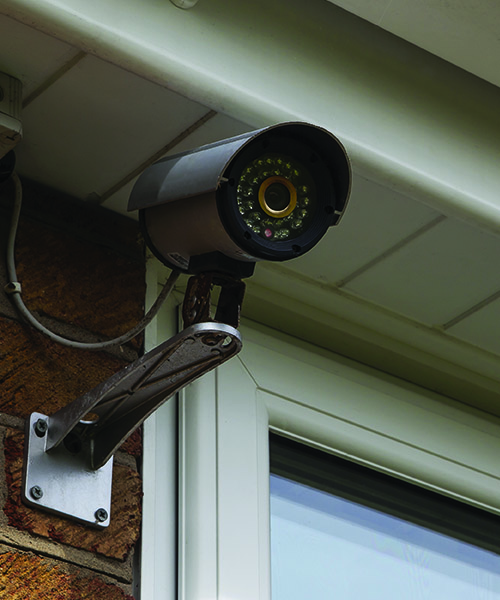
In addition, the evaluation incorporates assessing the surrounding environment, accounting for elements such as area crime statistics and visual exposure. Locksmiths commonly advise upgrades such as premium locks or alert systems suited to the particular demands of the property. They may also provide insights into security access systems, monitoring cameras, and exterior lighting options.
The objective of the inspection is to create a thorough report outlining findings and proposing actionable improvements, directly supporting homeowners make knowledgeable determinations about their safety protocols. This precautionary process ensures a comprehensive approach for securing the property against unforeseen vulnerabilities.
Common DIY Mistakes to Avoid When Dealing With Locks
When handling lock issues, many people make frequent errors that can worsen the situation. Overlooking particular lock types, overusing lubricants, and incorrectly handling tools can lead to more serious issues. Identifying these mistakes is crucial for efficient lock care and protection.
Overlooking Lock Types
Even though many homeowners choose to address lock concerns independently, overlooking the distinct types of locks can cause significant and costly blunders. Different locks, such as deadbolts, smart locks, and mortise locks, each have unique mechanisms and installation requirements. Insufficient knowledge can lead to incorrect repairs or replacements, which may put security at risk. As an example, trying to force a key into a misaligned lock can harm both the lock and the key, requiring costly replacements. Additionally, mixing up lock types may lead to ineffective solutions and further complications. To avoid these pitfalls, homeowners should assess their locks carefully and consider consulting a professional locksmith when uncertain about their specific needs.
Excessive Use of Lubricants
Many homeowners make the error of applying too much lubricant to their locks, thinking that more is better for smooth operation. This common misconception can lead to a buildup of excess lubricant, which collects dirt and grime, ultimately causing locks to become sticky or jammed. Each type of lock demands a specific kind of lubricant; for instance, graphite is often preferred for pin tumbler locks, whereas silicone sprays work well for other lock types. Excessive application may produce a slippery coating that disrupts the lock's internal mechanism, making engagement more difficult. Rather than enhancing performance, too much lubrication can result in expensive repairs or require the assistance of a professional locksmith. Knowing the correct quantity and variety of lubricant is key to keeping locks performing at their best.
Misusing Tools the Right Way
Using the wrong tools during lock repairs can result in frustrating results and possible damage. A large number of DIY individuals overlook how critical it is to use the appropriate tool. For instance, employing a screwdriver instead of a dedicated lock pick can strip screws or break internal mechanisms. Furthermore, applying too much force can cause locks to jam or suffer permanent damage. Common mistakes include using pliers to turn a key or attempting to force a stuck lock open without proper technique. These mistakes commonly cause further issues that necessitate professional help. To avoid these pitfalls, individuals should familiarize themselves with lock mechanisms and the specific tools designed for lock repairs. If uncertain, seeking advice from a qualified locksmith can save time and avoid expensive complete article errors.
Frequently Asked Questions
How Do I Find a Reliable Locksmith Service?
To select a trustworthy locksmith company, one should look up online reviews, validate credentials, ensure proper insurance, and seek recommendations. Evaluating several options ensures knowledgeable decisions, ultimately leading to consistent and reliable service.
What Qualifications Should a Certified Locksmith Hold?
A trustworthy locksmith needs to carry designations such as Certified Locksmith (CL), the Registered Locksmith (RL) designation, and Master Locksmith (ML) from reputable industry bodies. These credentials indicate expertise, professionalism, and compliance with industry benchmarks, delivering consistent and trustworthy service to those they serve.
Is Locksmith Service Available Around the Clock?
Locksmith services are often available 24/7, offering vital help when urgent situations arise like being locked out or experiencing security incidents. Many professionals prioritize accessibility, making certain that individuals can obtain support whenever required, regardless of the time.
How Much Do You Usually Pay for Locksmith Services?
Locksmith services typically range from $50 to $150 for routine jobs, such as rekeying or lockouts. Nevertheless, specialized work and emergency services may come with additional costs, often exceeding $200 depending on the complexity involved.
Can a Locksmith Provide Help With Electronic Security Systems?
Certainly, a locksmith can assist with digital security systems. They have the expertise to install, repair, and maintain various electronic locking mechanisms, providing maximum security and functionality for residential as well as commercial properties.